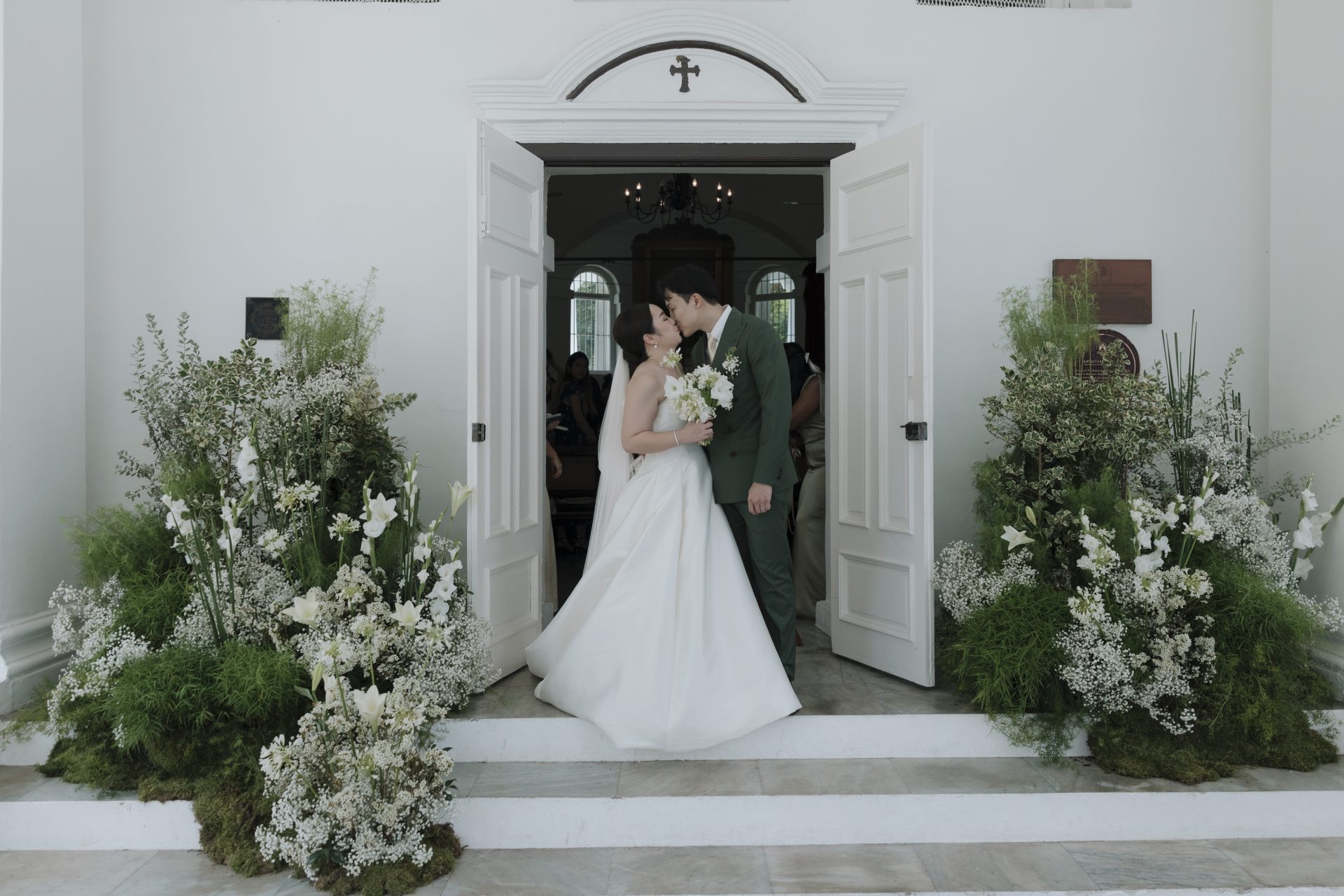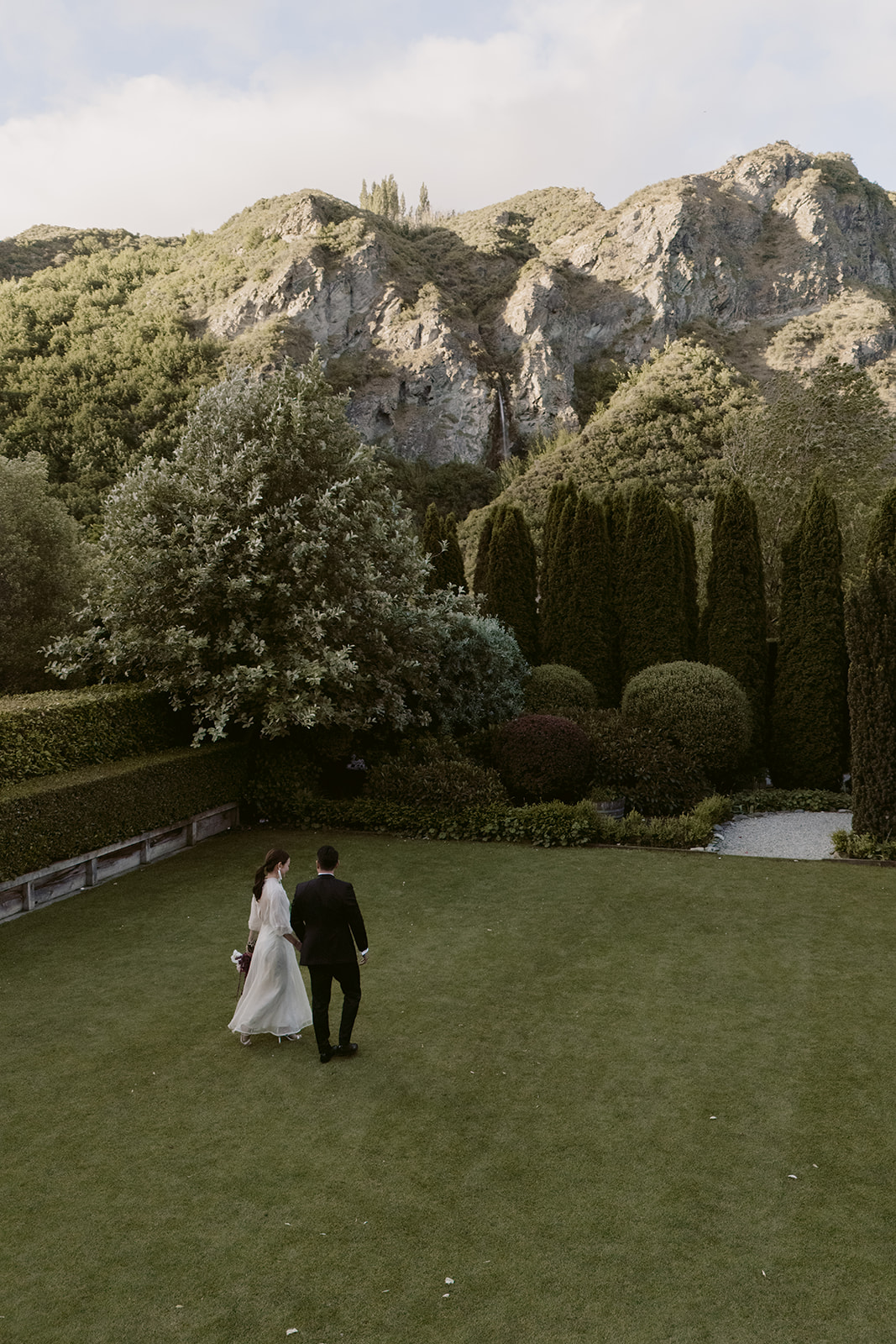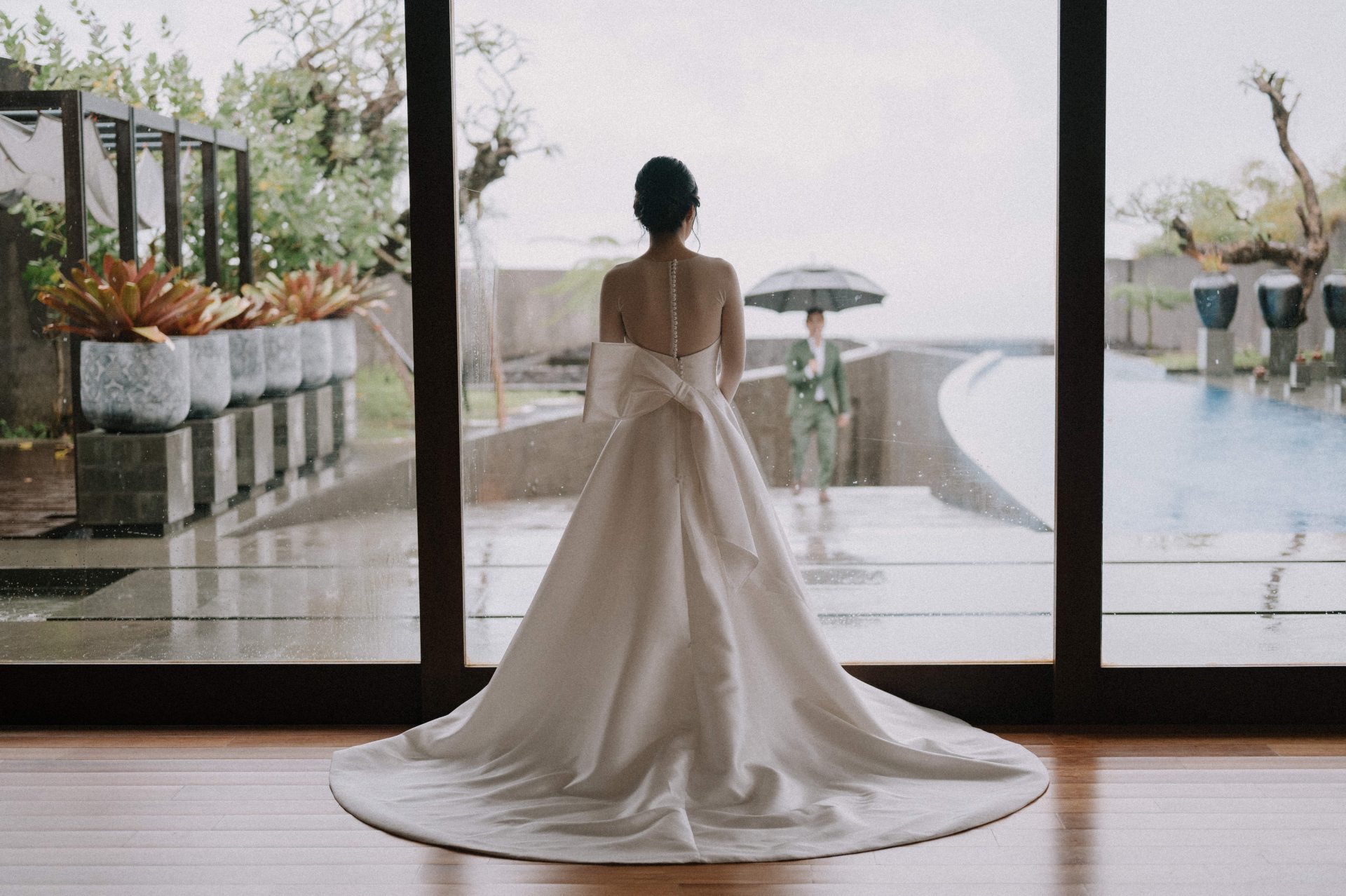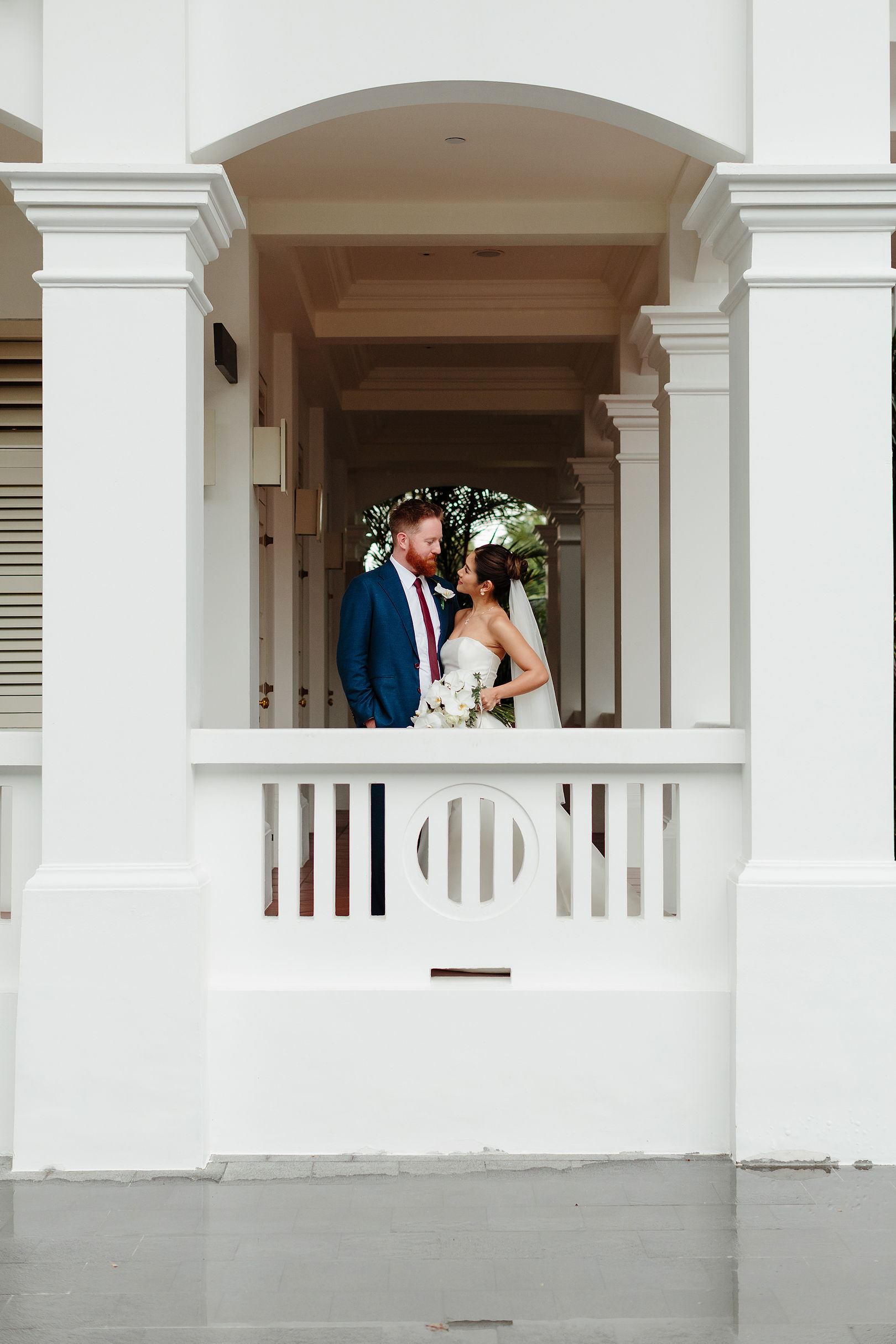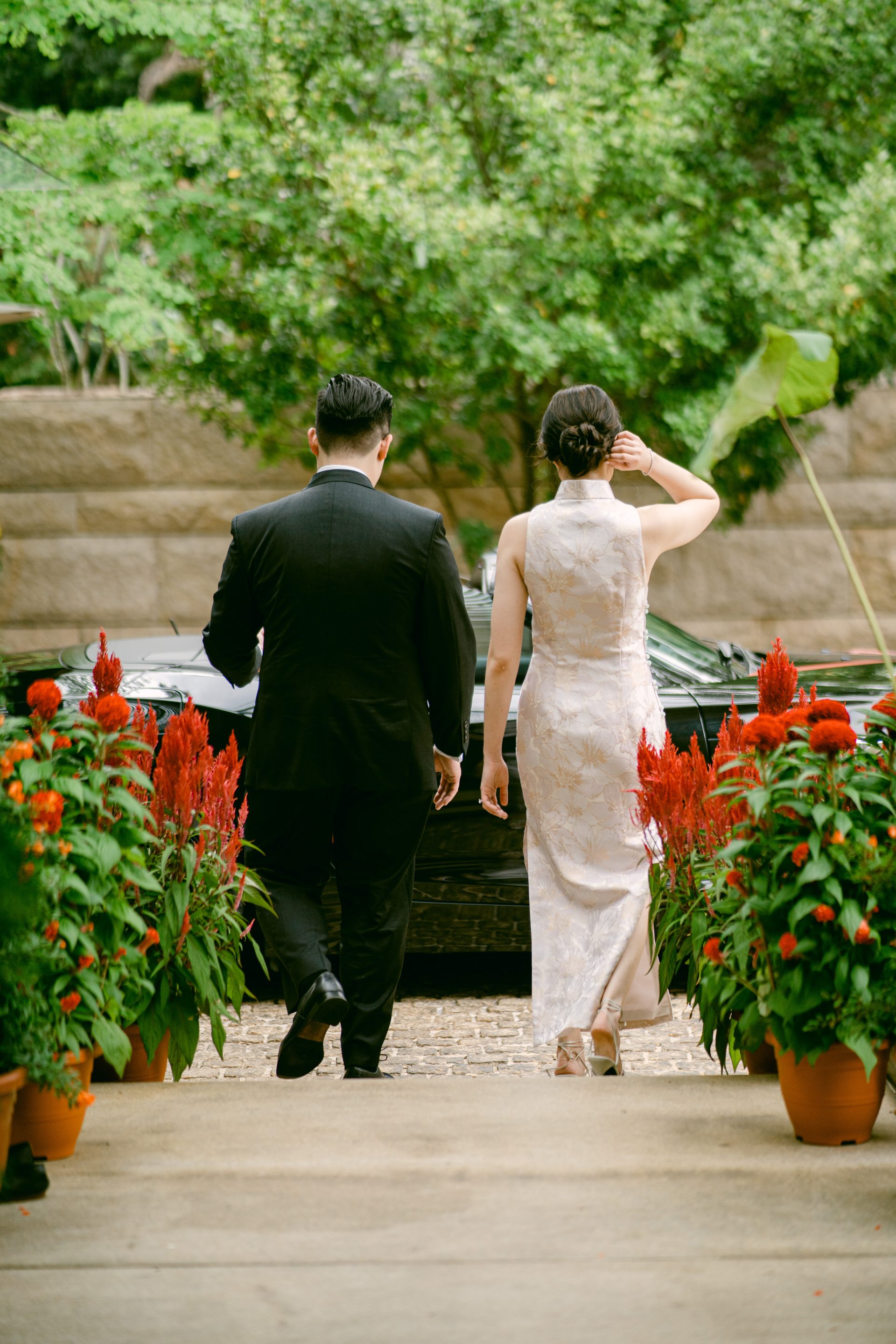
Photo: Sayher Heffernan
Planning a wedding today looks very different from a decade ago. You have more inspiration, more access, more opinions. And more pressure to get it “right.”
This guide is not about trends. It is about helping you plan a wedding that feels aligned emotionally, aesthetically, and financially.
Here are 10 steps to guide you through your wedding planning process.
1. Start with identity
Before you book a venue or shortlist vendors, define:
- How do you want the day to feel? (Intimate? Electric? Serene?)
- What kind of hosts are you? (Formal? Warm? Unconventional?)
- What do you want guests to remember?
Finding clarity at the beginning prevents potential confusion that may arise later. Your wedding should reflect your values, not an algorithm.
2. Decide your non-negotiables early
Every couple has three to five elements that matter most. It could be:
- Exceptional photography
- An immersive dining experience
- A live band
- A stunning venue
- A fashion-forward bridal look
Ask yourself: What are your non-negotiables?
Prioritise these first, then, build the rest around them. This protects both your budget and your vision.
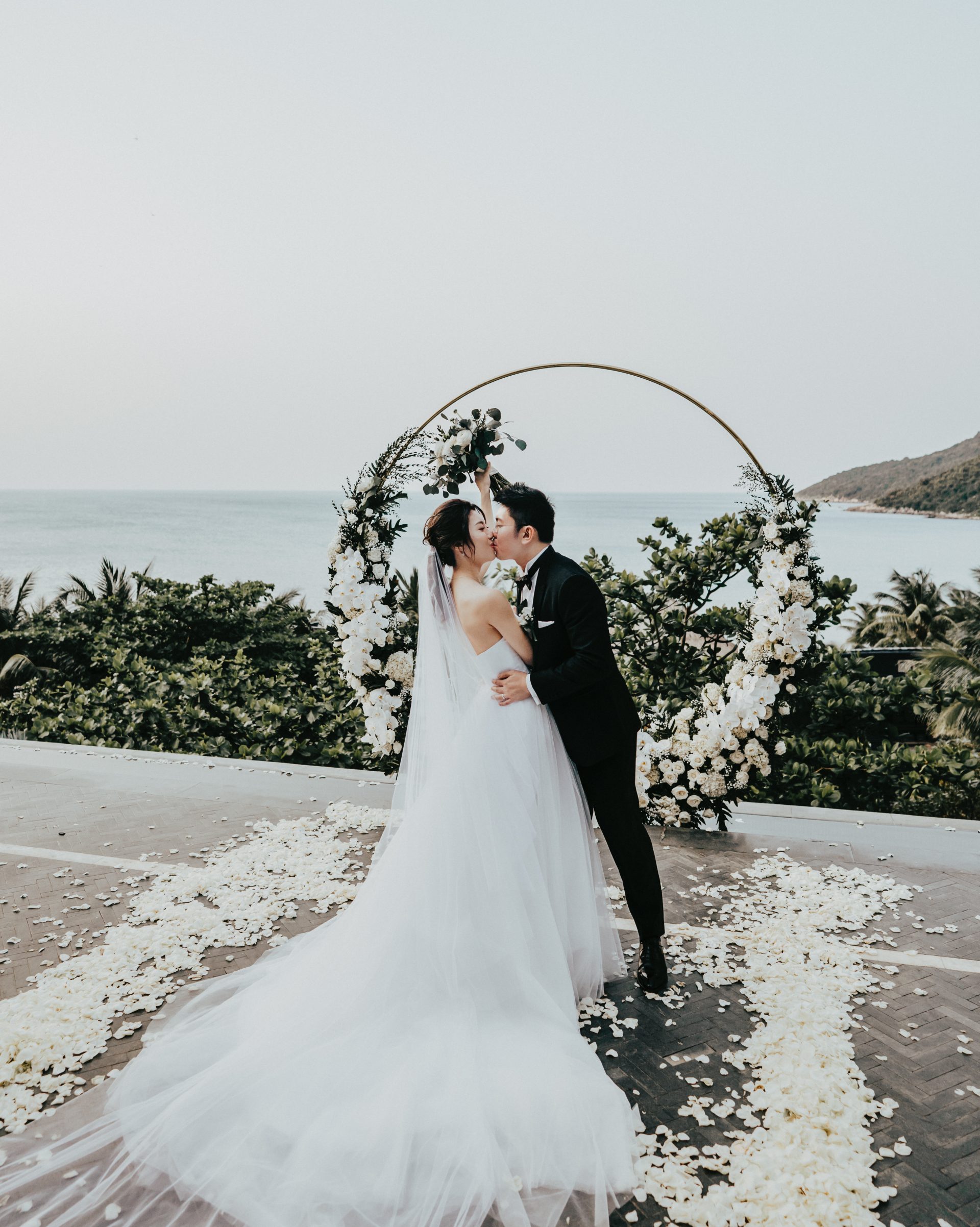
Photo: Bare Odds
3. Build a budget with strategy — Not guesswork
After identifying your non-negotiables, allocate your budget according to what matters most.
If guest experience and long-term memories matter most to you, channel a greater portion of your investment into elements that shape them meaningfully.
Spend with intention. Cut without guilt.
Luxury is thoughtful allocation, not indiscriminate spending.
4. Set boundaries early
Family expectations can surface quickly. Have honest conversations about:
- Guest count
- Budget contributions
- Cultural traditions
- Decision-making authority
Clarity now prevents resentment later. You can honour family without losing yourselves.
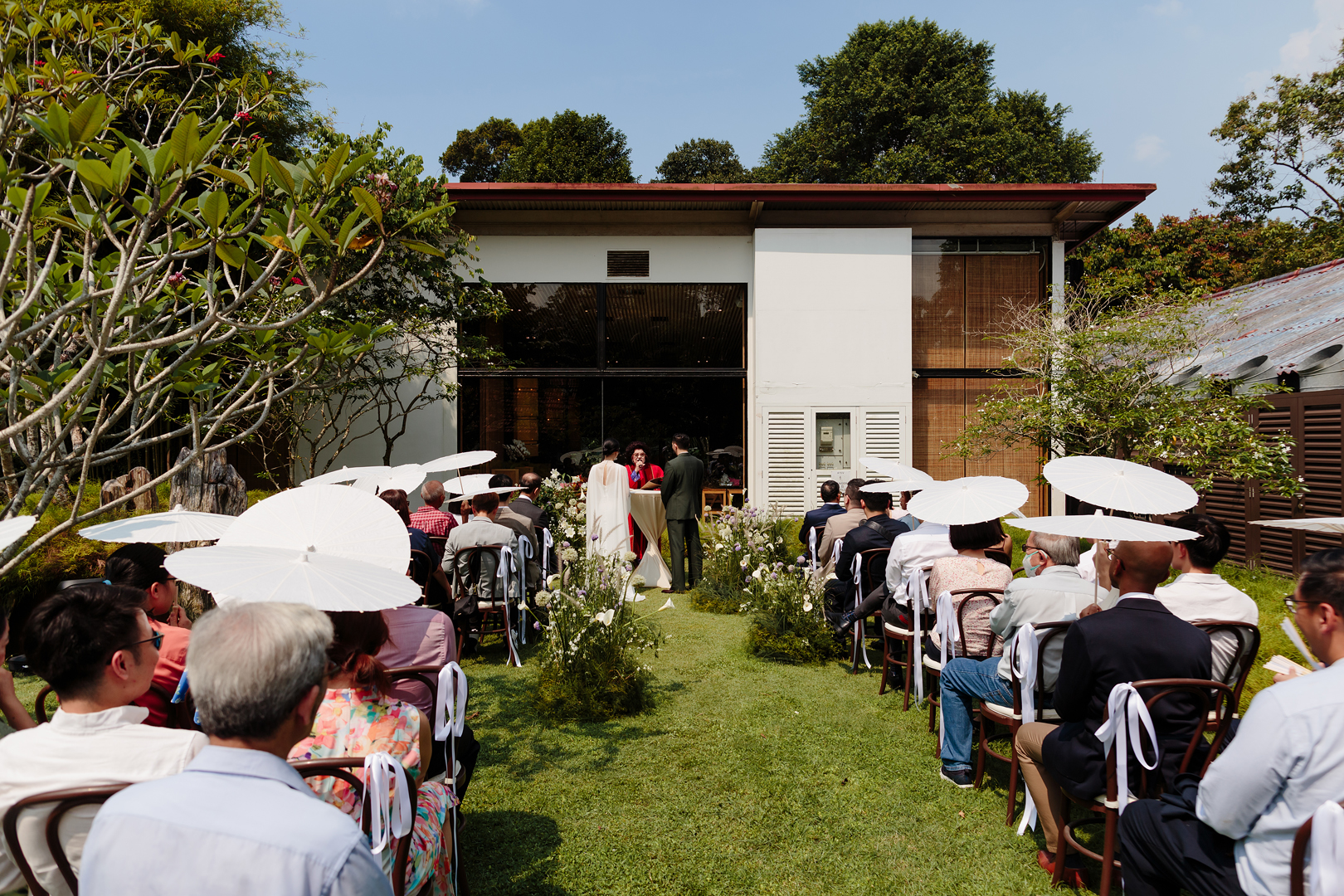
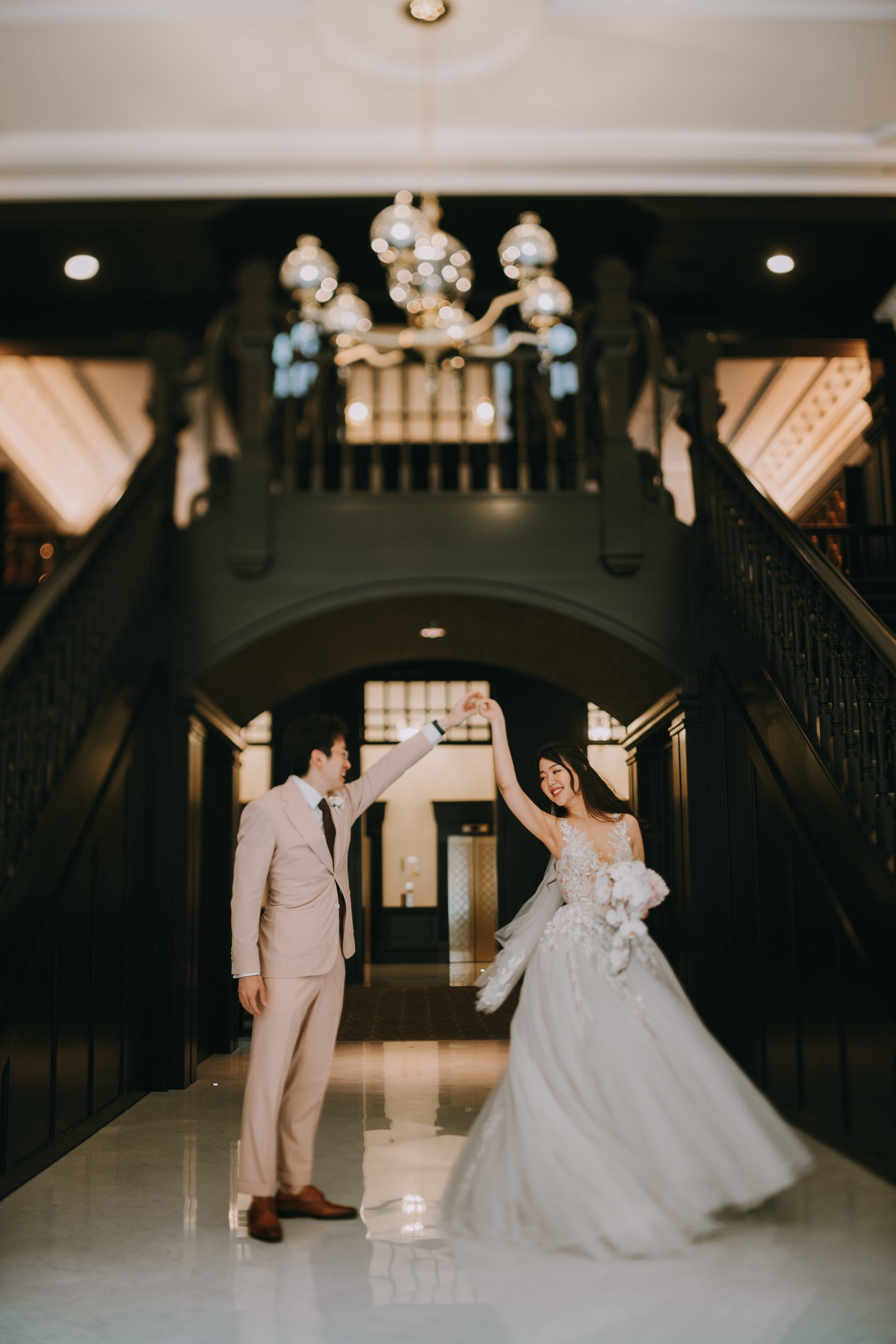
Photo: Sayher Heffernan
5. Curate your guest list with courage
The guest list determines:
- Your venue
- Your catering cost
- Your atmosphere
Before drafting names, ask: Do we want intimacy or scale? Are we inviting out of love or obligation?
Smaller weddings often allow for deeper design, better hospitality, and a more meaningful experience.
Choose deliberately.
6. Design the atmosphere, not just the decor
Gen Z couples are visually intelligent, but design goes beyond aesthetics. Think about:
- Lighting temperature
- Music transitions
- Table spacing
- Pacing of the programme
A beautifully styled space without emotional flow will still feel flat. Atmosphere is invisible but unforgettable.
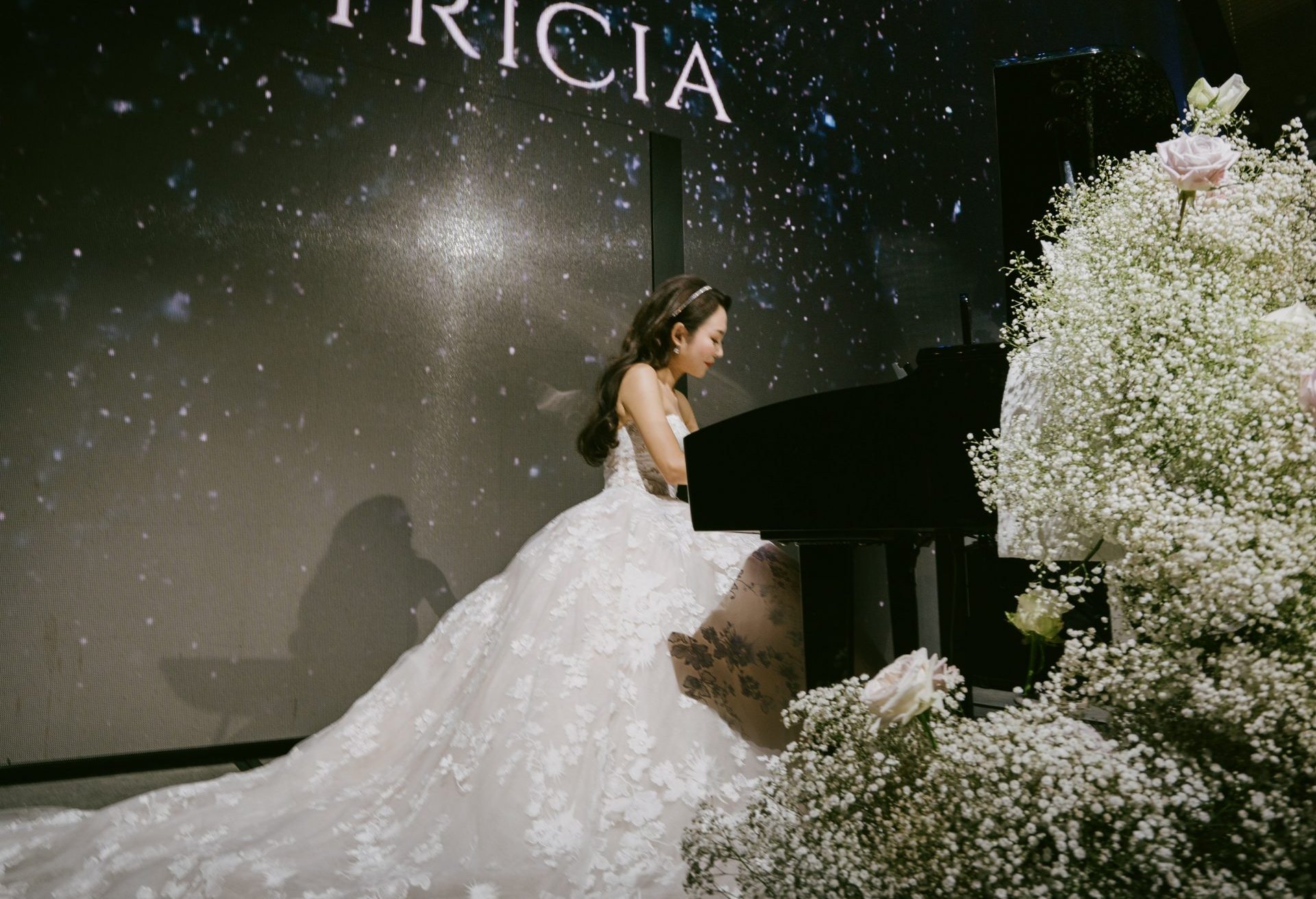
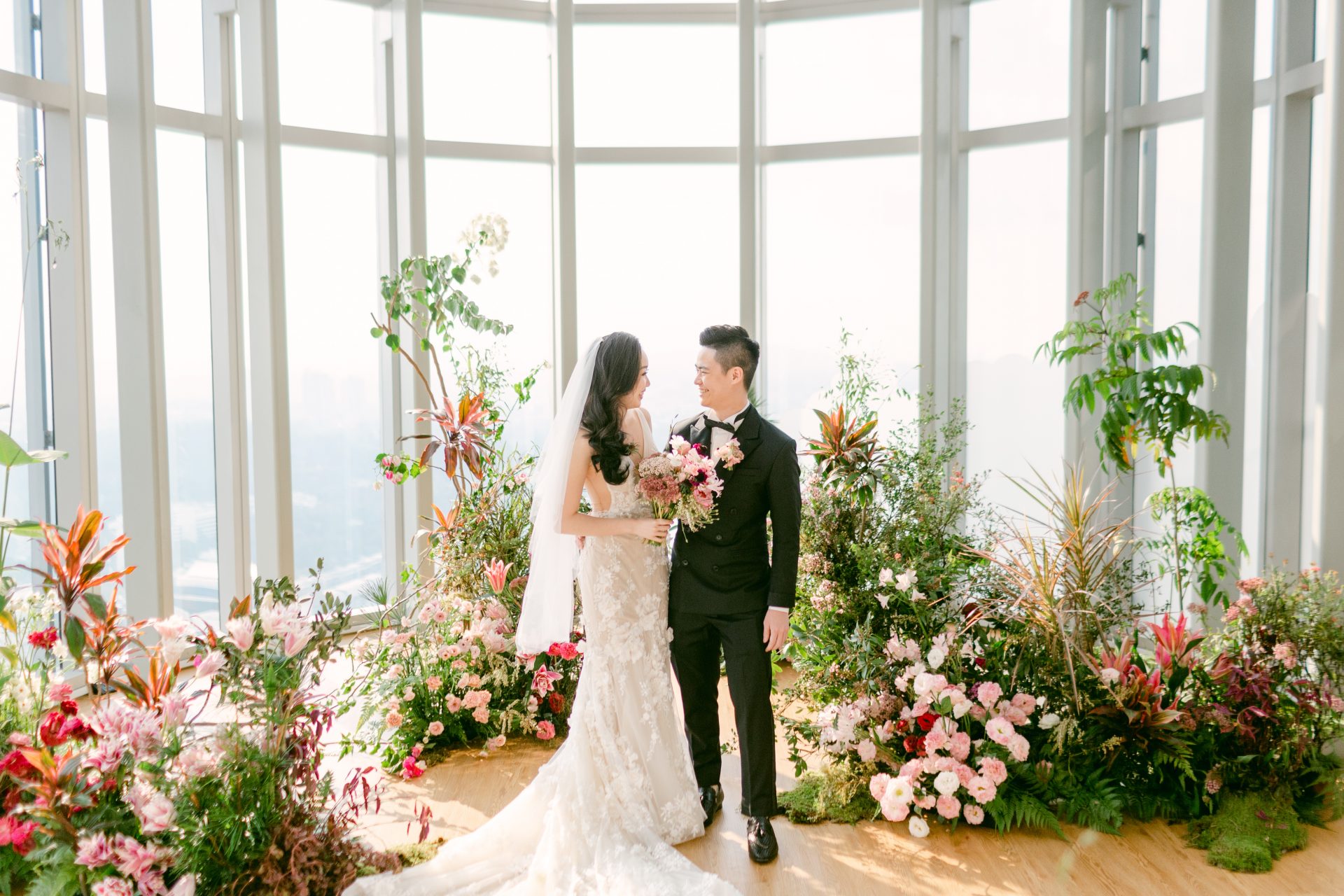
Photo: Jose Daniel Retrato
7. Choose vendors who understand you, not just your mood board
Beyond skill, look for:
- Emotional intelligence
- Responsiveness
- Alignment in communication style
- Respect for your boundaries
The right team will protect your peace, not add to your stress.
8. Consider sustainability thoughtfully
If sustainability matters to you, integrate it intentionally:
- Repurpose florals across segments
- Opt for digital stationery
- Choose attire you can wear again
- Avoid unnecessary wedding favours
Conscious choices elevate a wedding.
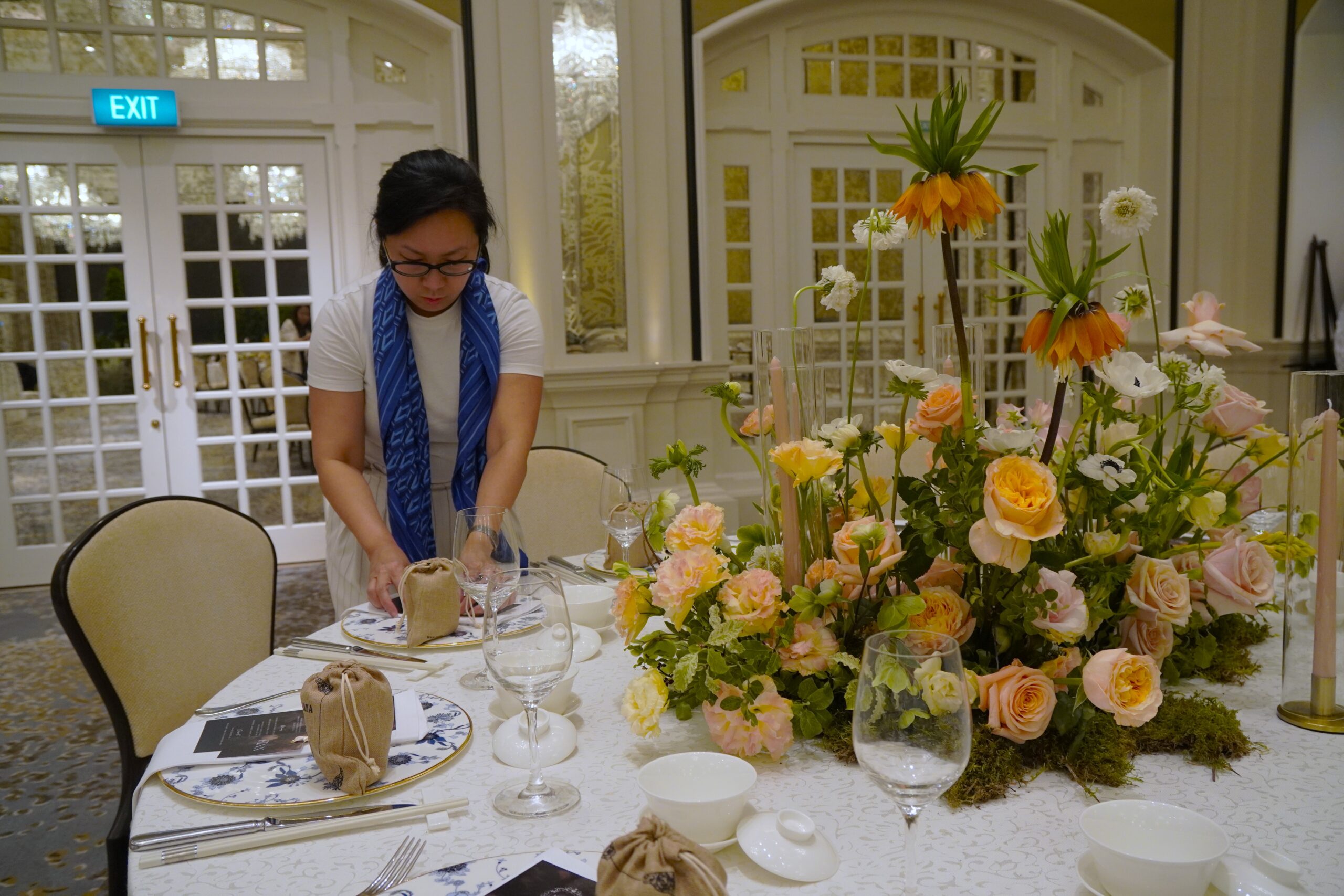
Photo: The Wedding Concepteur
9. Protect your mental energy
Wedding planning should not consume your identity.
Set:
- Planning timelines
- Decision deadlines
- Digital boundaries (especially on social media comparison)
The comparison is endless. Ask for help if you need to. Hire a wedding planner if it helps protect your mental energy.
10. Remember the point
In the pursuit of aesthetic perfection, do not lose the purpose.
The wedding is one day. The marriage is the lifetime.
Plan with excellence.
Host with warmth.
Celebrate with presence.
A final thought
Gen Z does not need louder weddings. It needs more intentional ones.
If you begin with clarity — about who you are, what you value, and how you want the day to feel — the rest becomes design, not confusion.
And that is where thoughtful planning begins.
ABOUT THE AUTHOR

Definitely not a Gen Z, but Cheryl followed her heart when she started planning her wedding. She and her husband decided right from the very beginning that they would only celebrate with people closest to them. By incorporating their part-Peranakan culture with their Christian faith, they had an intimate celebration that defined who they are.
Looking back 13 years later, it was still the best decision they had made.